The independent pearl encyclopedia
A worldwithin a pearl.
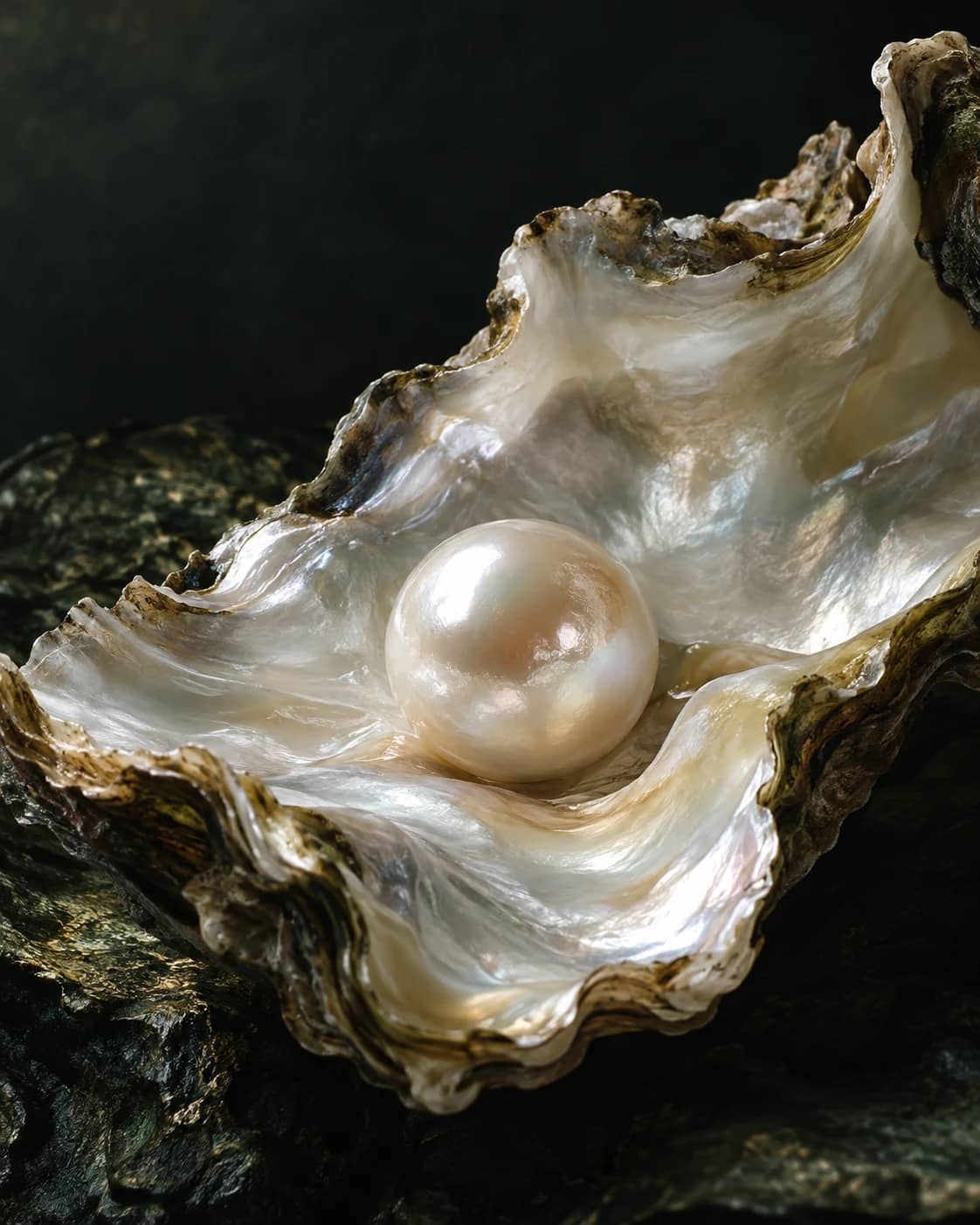
A cultured pearl grows in a living mollusk after human intervention. A natural pearl forms without that intervention. An imitation is made to look like a pearl. Cultural meanings stay separate from type, treatment and quality.
A little knowledge.
A deeper appreciation.
closer
01 / The pearl atlas
Many origins.
Singular beauty.
Meet the four principal cultured pearl families.
Every one has a story worth knowing.
Choose a filter to show saltwater or freshwater pearl families.
Akoya
Akoya pearls are saltwater cultured pearls, often chosen for bright classic strands, and commonly compared with freshwater.
Freshwater
Freshwater pearls are cultured pearls from freshwater mussels, in many shapes and colors, with bead and non-bead constructions.
Tahitian
Tahitian pearls are saltwater cultured pearls associated with dark and gray colors. A black strand can also be treated freshwater or an imitation.
South Sea
South Sea pearls are saltwater cultured pearls associated with larger white, silver or golden pearls, and are a different category from Tahitian.
Illustrations explore appearance. Color and shape alone cannot establish a pearl’s identity or origin.
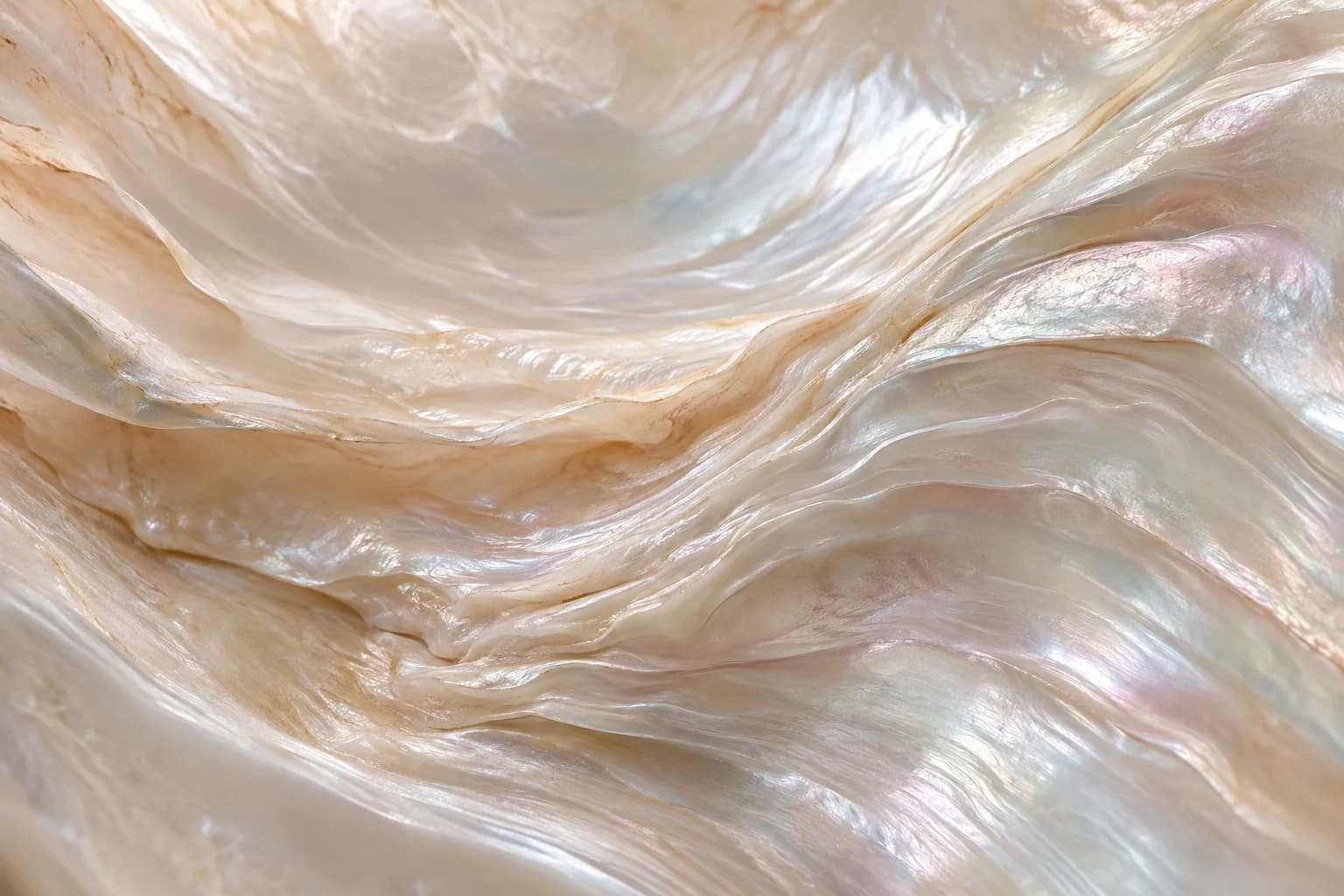 Nacre, an intimate view · Illustrative artwork
02 / Beneath the surface
Beauty is
in the layers.
Nacre is the layered material that forms a nacreous pearl and lines the shell. Luster is how clearly those layers reflect light. Bodycolor is the pearl’s overall color, an overtone is a color that appears across it, and orient is a shifting, rainbow-like play of color.
A photograph of those colors cannot by itself prove the pearl’s type, treatment or origin. The color guides separate what you see from what a listing still has to state.
The language of color & lightLight tells the story.
03 / Beyond white
Find a shade
of fascination.
From a whisper of rose to a deep charcoal.
Let a little curiosity color your world.
A study in color
Soft white
Quiet luminosity. A familiar starting point with a whole world of subtle overtones.
Explore this colorBlush pink
A gentle blush. Explore the difference between a pink bodycolor and a rose overtone.
Explore this colorWarm gold
Sunlit warmth. Learn what golden color can tell you, and which treatment questions to ask.
Explore this colorLavender
Softly unexpected. Discover lavender color, its variations and its personal meanings.
Explore this colorDeep charcoal
Depth with a hint of mystery. Dark color is a beginning, not proof of a Tahitian origin.
Explore this color04 / A good question is a beginning
Wondering about
your pearls?
Clear answers for the things
you’ve always wanted to ask.
Are my pearls real?
Safe checks, misleading clues and when a lab helps.
Which pearls should I buy first?
Choose type, diameter and length for the way you dress.
Dyed black pearls or Tahitian?
Separate pearl type, treated color and imitation.
What should I do with inherited pearls?
Decide whether to repair, identify, insure or sell.
What does AAA really mean?
Compare quality factors instead of unexplained letters.
How do I clean and restring pearls?
Care steps, old silk and signs it is time for repair.
05 / Notes from the field guide
For a lifetime
with pearls.
The first chapter
Your first pearls. Your own way.
Find the type, size and length that feel like you.
Made to be kept
A little care. A lasting connection.
Gentle habits for the pearls you love and live in.
More than an object
The stories we give our pearls.
Birthstones, traditions and meanings made personal.
Curiosity, with clarity.
Beautiful things deserve
thoughtful explanations.
Our guides connect the wonder of pearls with practical knowledge.
Material facts come with visible sources. Personal meanings stay personal.
So you can explore, choose and care with a little more confidence.